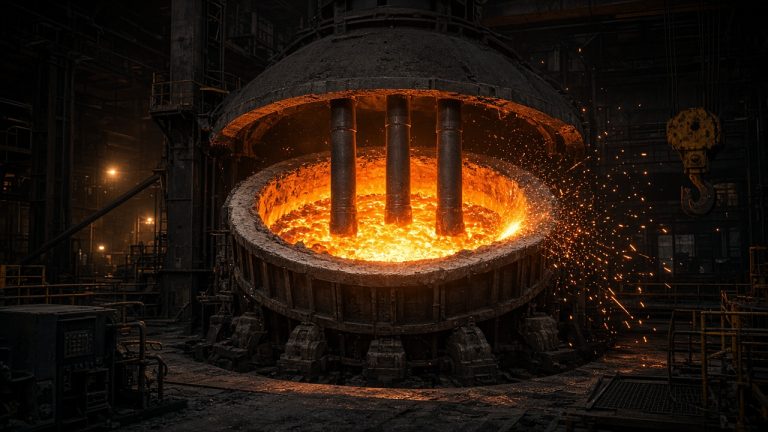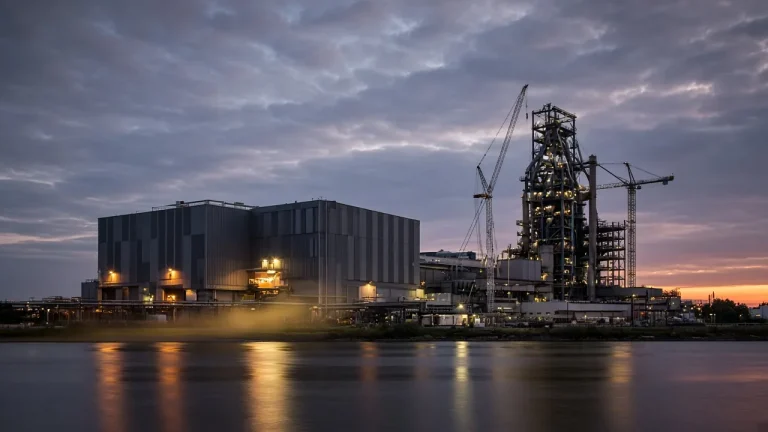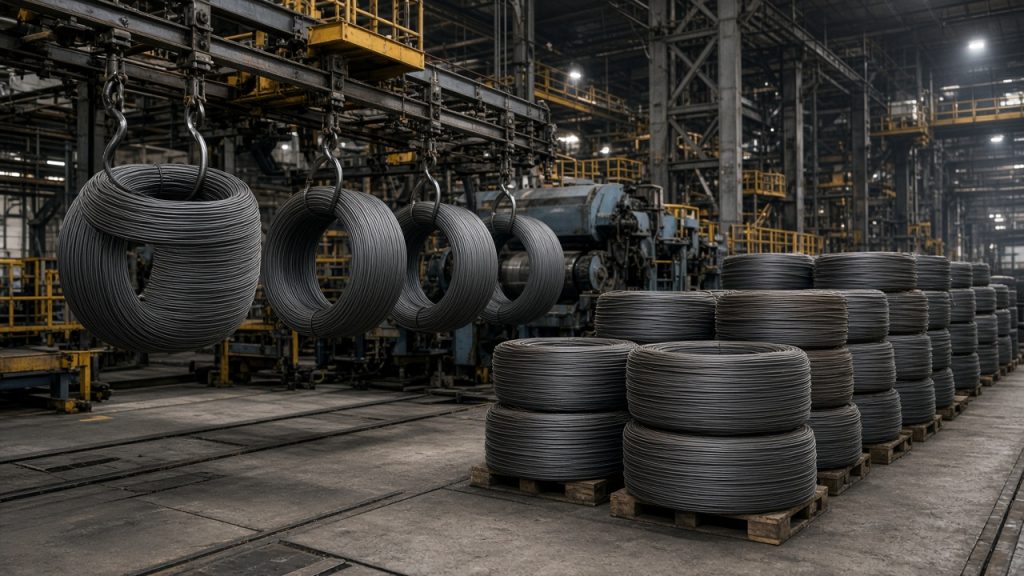
ArcelorMittal plans to close the steel shop and billet rolling mill at its Duisburg wire rod plant once hot-metal deliveries from thyssenkrupp stop in September 2027. The wire rod mill will keep running on billets brought in from elsewhere.
What happened
ArcelorMittal Duisburg has no blast furnace of its own and buys liquid hot metal from thyssenkrupp Steel next door. It ended that contract in December 2024, with effect from September 2027, after the proposed renewal came with a sharp cost increase. In a statement on 3 September 2026 the company said it had looked at other hot-metal sources and at decarbonised steelmaking on site, and found none of them economically viable (ArcelorMittal release).
Reach steel buyers and importers worldwide
Put your brand in front of the people who buy and trade steel.
Advertise with Loharo- Subject to supervisory board approval, the steel shop and billet rolling mill will close and the wire rod mill will be fed with billets.
- Other ArcelorMittal plants and outside European producers can supply most of the billets needed. ArcelorMittal Hamburg, which runs a DRI-EAF route, is named as a lower-carbon source.
- ArcelorMittal Gandrange in France, which currently gets most of its billets from Duisburg, will switch to several other group sites and external suppliers.
- Talks with employee representatives on a redundancy plan were due to start in September 2026.
The company says customers will see no break in wire rod supply after September 2027.
Why it matters for steel buyers
This is one more piece of German upstream capacity leaving the market. ArcelorMittal’s European long products chief pointed to low utilisation, falling local demand, limited export room and high energy prices across the bars and rods sector.
For wire rod buyers, availability should not change: the rolling mill stays. What changes is where the steel comes from. More billets will move between plants, and some will come from outside the group. That makes Duisburg and Gandrange output more exposed to semis prices and logistics, and it raises the share of billets whose origin matters under the EU melt-and-pour rules. Buyers who ask for low-carbon rod may also be offered Hamburg-melted material.
What to watch
- Supervisory board approval of the closure.
- Where the billets come from, and how much is EU-melted versus imported.
- Gandrange’s billet sourcing and any effect on French rebar and rod supply.
- How thyssenkrupp uses the hot metal it no longer delivers to its neighbour.
Ask the Analyst
“500 t HRC from Turkey into Antwerp in January”: landed cost with duty, quota and CBAM in one answer.Ask the Analyst