For European buyers, no immediate supply or specification change is reported; no step is needed yet. Keep this proposal at study stage pending a board decision and operating evidence.
Executive summary
- Tata Steel and Utility Global will study a hydrogen project using steelworks off-gases at Kalinganagar, Odisha.
- The planned capacity is 10 tonnes per day, subject to engineering work and a final investment decision.
- This is a project to monitor; no current change to steel volumes, specifications or verified product emissions data is stated.
Key numbers
10 tonnes per day Planned hydrogen capacity for the proposed Kalinganagar project; announced 18 November 2026. FactTata Steel, 18 November 2026
Fact = checked against the cited source · Calc. = Loharo calculation from cited figures · Uncertain = reported but not confirmed. Analysis is labelled inline.
What happened
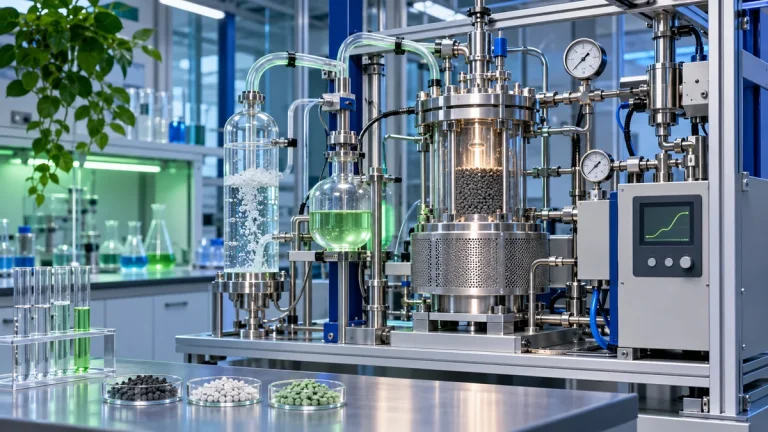
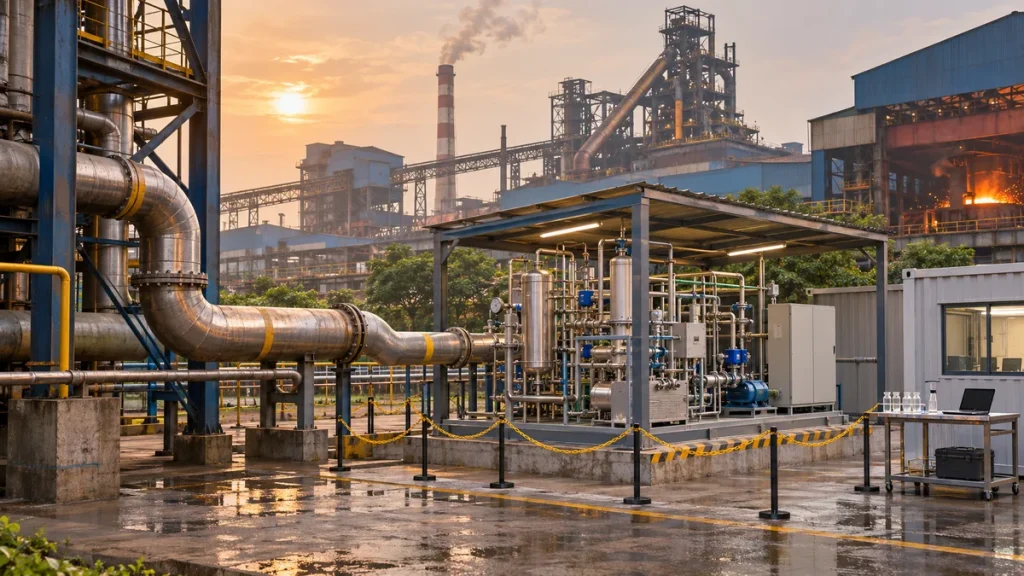
On 18 November, Tata Steel announced front-end engineering and design (FEED) studies with Houston-based Utility Global for a hydrogen facility at Kalinganagar. The proposed process would use carbon-monoxide-rich gases produced during steelmaking to make high-purity hydrogen using Utility Global’s H2Gen technology. The stated 10-tonne-a-day capacity is planned, not operating output.
Reach steel buyers and importers worldwide
Put your brand in front of the people who buy and trade steel.
Advertise with LoharoThe FEED studies support a final investment decision by Tata Steel’s board. Installation and operations are conditional on a successful FID. Utility Global says its process was previously demonstrated with actual blast-furnace gas at a Canadian steel producer; that is separate from Kalinganagar.
Why it matters commercially
Analysis — Loharo procurement check: Keep supplier transition evidence in three stages: study, board-approved investment and operating process. For a supplier claim used in purchasing comparisons, request current product-level emissions data and its boundary and method before changing a supplier score or specification. Tata has announced FEED studies, not an FID or operating output, so this proposal remains in the study stage. This sits alongside Tata Steel’s disclosed capital allocation, which still concentrates new investment in India (see Tata Steel’s capital-budget split); it is not evidence of a European plant conversion. This is a procurement classification check, not a claim that the process already delivers lower-emissions steel.
Who is affected
Steel buyers reviewing supplier transition plansMonitor The project remains at FEED stage; no supply or specification effect is reported.
What to watch next
- Whether Tata Steel’s board reaches a final investment decision after the FEED studies.
- Any later update on installation, start-up, actual hydrogen output or independently checked product emissions data.
Verification status: Verified
Factual statements and the planned capacity were checked against Tata Steel’s official 18 November 2026 release on 20 November 2026. The buyer implications are labelled analysis; no operating or emissions outcome is claimed.
Ask the Analyst
“What could CBAM add to Indian HRC delivered to Rotterdam in 2027?”: landed cost with duty, quota and CBAM in one answer.Ask the AnalystSources
Primary sources
- Tata Steel plans hydrogen production project using steel plant off-gases at Kalinganagar — Tata Steel, 18 November 2026; checked 20 November 2026 (company announcement).
Information checked 20 November 2026. This article is market intelligence, not investment or legal advice.